Market Dashboard — Closing Levels & Key Macro Indicators
Indian equity benchmarks reached nine-month highs on Tuesday, with the BSE Sensex rising 0.52% to 82,532.19 (+426.69 pts) and the Nifty 50 gaining 0.38% to 25,387.40 (+96.30 pts). Bank Nifty spearheaded market gains (+1.13% to 62,273.25), while small-cap stocks declined 0.22% to 19,398.70 and the IT sector contracted 0.90%. In commodities and FX, MCX gold futures consolidated at ₹1,34,463/10g (−0.06%), silver rallied 1.33% to ₹1,70,100/kg on industrial demand, MCX crude settled at ₹7,997/bbl (−0.15%), and USD/INR strengthened 0.39% to ₹93.566. International Brent crude traded around $93/barrel following a 22% decline in November.
What Drove the Market?
- Nine-Month Highs for Benchmarks: Sensex (82,532.19) and Nifty (25,387.40) reached their highest levels since late February, propelled by large-cap banking heavyweights (HDFC Bank +17.9%, ICICI Bank +13.4% in November).
- Record $9.53B FPI Inflow Surge: Foreign portfolio investors deployed $9.53 billion into Indian equities in November ($10.33 billion including debt), substantially offsetting earlier net selling of $31.41 billion through October.
- SEBI Scrutinizes Margin Lending: The market faces potential regulation on retail Margin Trading Facility (MTF) positions, targeting ₹1.53 lakh crore in leverage (+29% YoY), where two-thirds is concentrated in mid/small caps.
- Nvidia Q3 FY2027 Blockbuster: Nvidia posted quarterly revenue of $115.8 billion (+103% YoY) with data-centre sales surging 110% to $107.6B, while guiding Q4 to ~$130 billion.
- Geopolitical Risk at Strait of Hormuz: Reciprocal US-Iran military actions in Bahrain and Qeshm Island pose supply threats to the waterway carrying 20% of global petroleum.
- Silver Outperforms Gold: MCX Silver gained 1.33% to ₹1,70,100/kg on industrial and solar demand, while gold consolidated at ₹1,34,463/10g (−0.06%) and the rupee strengthened to ₹93.566.
Data Quality & Trading Schedule Note: Indian equity indices reflect closing levels of Tuesday, 17 November 2026. Nifty IT exact index point closing is omitted because official closing records could not be independently corroborated; sector performance declined 0.90%. MCX commodity quotes reflect late-session observations (~10 PM IST). Brent crude reflects Reuters snapshots (~$93/bbl). Currency is the historical spot market quote (USD/INR: ₹93.566).
1. Indian stock market reaches its highest level since February
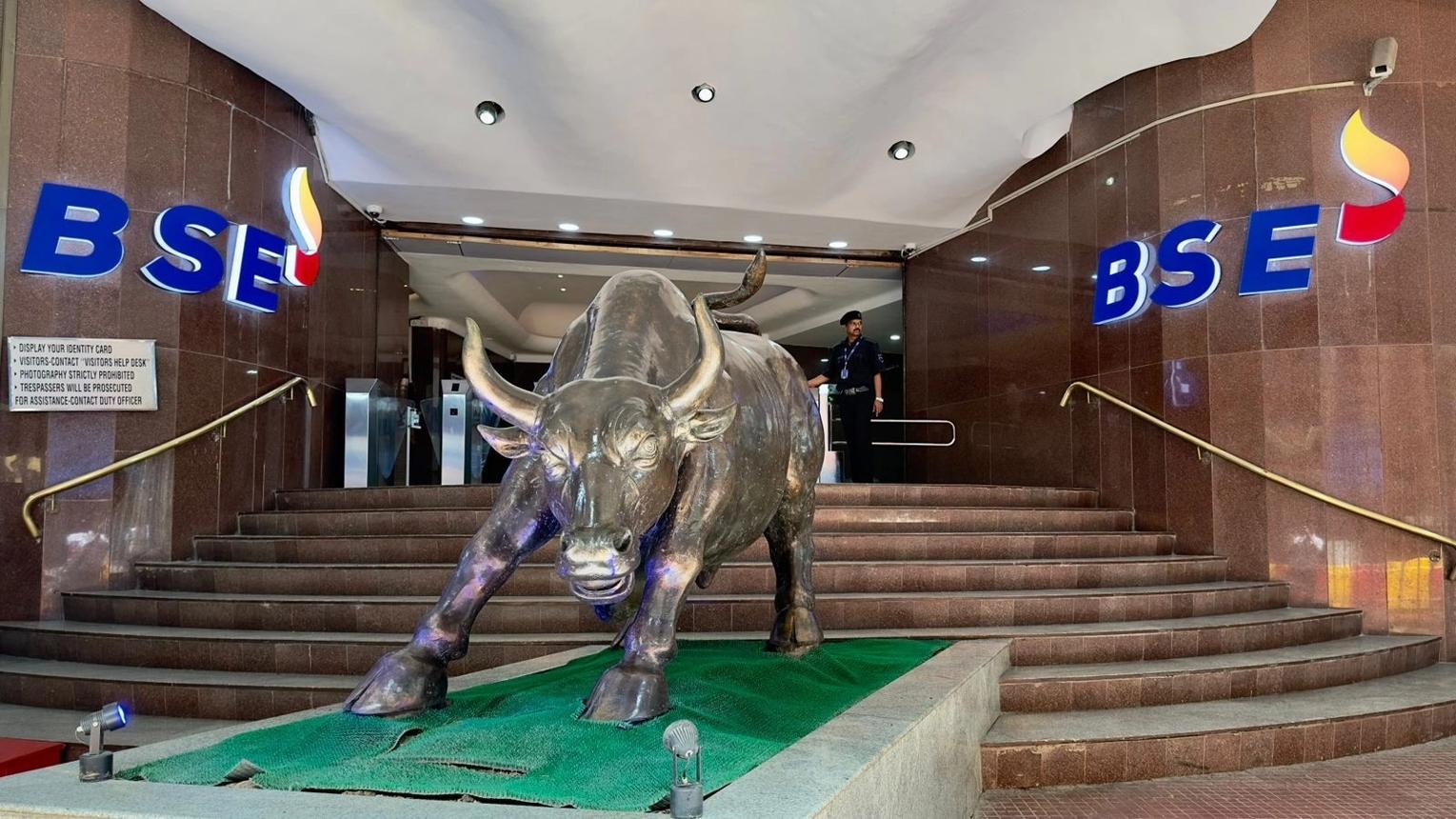
Indian equity benchmarks advanced on Tuesday despite widespread weakness across major Asian markets. The Nifty 50 climbed 0.38% (+96.30 pts) to settle at 25,387.40, while the BSE Sensex rose 0.52% (+426.69 pts) to close at 82,532.19, placing both headline indices at their highest levels since late February.
Eleven of the 16 major sectoral indices advanced, driven by robust buying across banking and private financial institutions. However, internal market participation remained selective: small-cap stocks declined approximately 0.22%, highlighting that headline index strength was predominantly concentrated in large, liquid counters. The advance was underpinned by three primary catalysts: an aggressive resurgence in foreign institutional flows, softening crude prices (~$93/bbl after declining 22% in November), and resilient earnings across financials, automobiles, and industrials.
Research angle: A market advance supported by earnings and foreign institutional capital is structurally sounder than a speculative run. However, analysts must not equate Nifty performance with broad-market health; the small-cap decline signals that breadth remains narrow, requiring forensic scrutiny of individual company valuations.
2. Foreign investors pour $9.53 billion into Indian equities
Foreign portfolio investors have deployed a record $9.53 billion into Indian equities during November, according to reported Reuters data. When accounting for debt and bond investments, total foreign institutional inflows reached approximately $10.33 billion for the month.
This institutional reversal is particularly significant after foreign investors withdrew approximately $31.41 billion from Indian equities through October. The November surge has substantially reduced the year's cumulative net outflow. Foreign capital has targeted financials (+11.5% to +13.5% in Nov) and automobiles (+8.5%), with HDFC Bank surging 17.9% and ICICI Bank advancing 13.4%.
Valuation warning & research takeaway: The Nifty is currently trading at approximately 19 times forward earnings, meaning meaningful earnings expansion is already priced in. Institutional flows explain current demand, but corporate earnings revisions ultimately determine whether these multiples are sustainable. Analysts must track FPI flows in tandem with fundamental earnings trajectory.
3. SEBI considers restrictions on margin-funded stock purchases
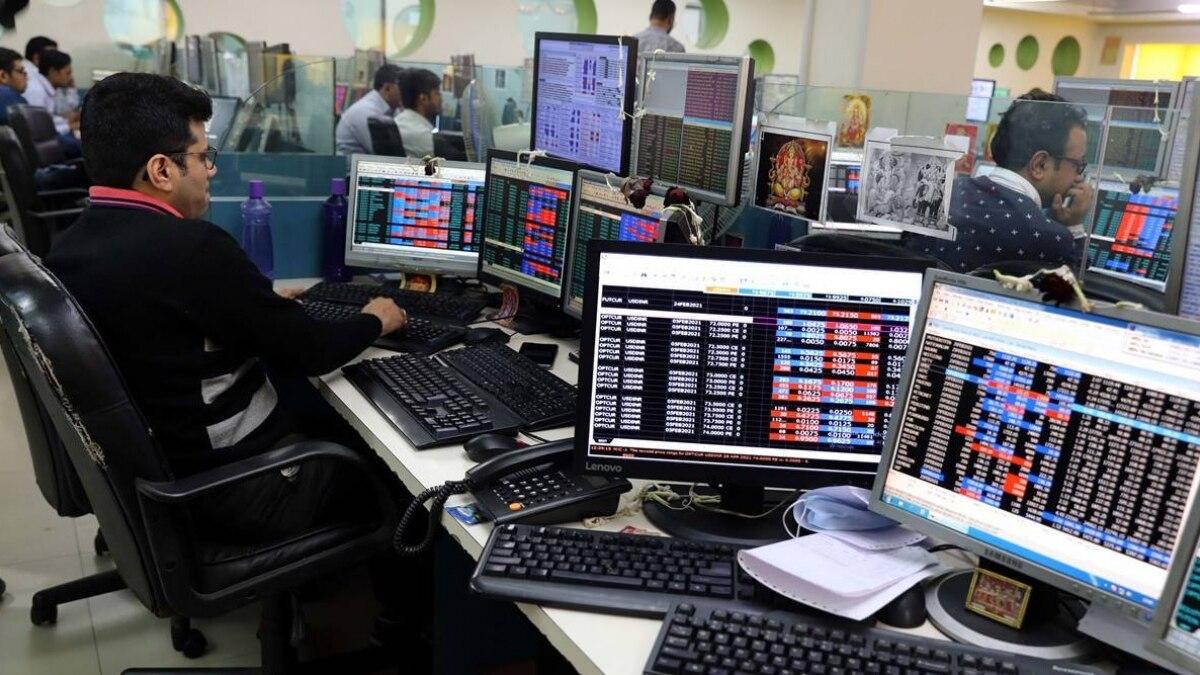
The Securities and Exchange Board of India (SEBI) is actively considering regulatory restrictions on new Margin Trading Facility (MTF) positions. The regulatory scrutiny arises from the exponential growth of retail debt utilized for equity purchases: aggregate MTF exposure has expanded 29% year-on-year to reach ₹1.53 lakh crore.
Significantly, approximately two-thirds of this leveraged exposure is concentrated in volatile small- and mid-cap counters. Reuters reports that SEBI is evaluating exposure limits linked to free-float market capitalisation, with potential thresholds of 5% to 10% under discussion to curb systemic feedback loops and forced liquidations during market corrections.
Research angle for brokerage stocks: For market intermediaries (Groww, Angel One, BSE, NSE), analysts must dissect funded-client exposure, MTF interest yields, borrowing costs, and collateral quality rather than relying solely on overall transaction volumes. Regulatory caps on leverage could dampen retail trading turnover and interest income.
4. Nvidia reports $115.8 billion quarterly revenue
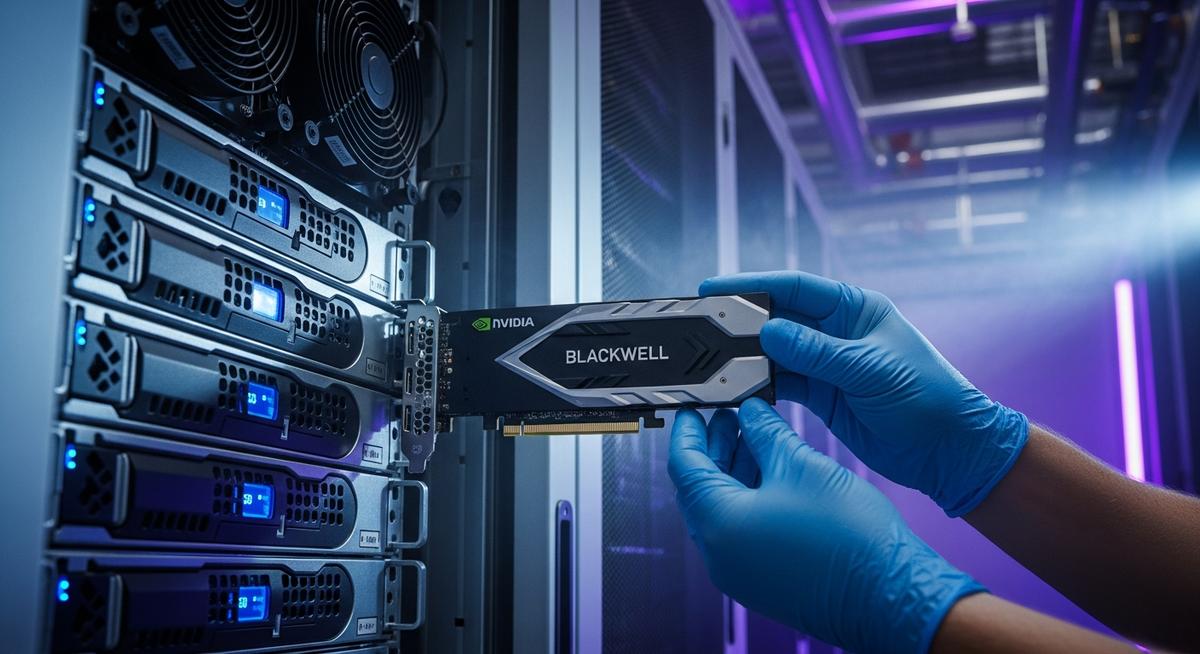
In the most anticipated corporate earnings release for global technology markets, Nvidia reported third-quarter FY2027 revenue of $115.8 billion, representing 103% year-on-year expansion. The performance was anchored by data-centre revenue surging 110% YoY to $107.6 billion, alongside GAAP gross margins of 74.8% (non-GAAP 74.9%) and GAAP diluted EPS of $2.70.
The company confirmed shipments of its Vera Rubin NVL72 computing platform and provided robust fourth-quarter revenue guidance of approximately $130 billion, surpassing analyst expectations of $124.8 billion. The stock climbed approximately 2% in after-hours trading.
Research angle: While demand for enterprise AI hardware remains vigorous, the core analytical question is whether hyperscaler customers can generate sufficient economic returns on massive AI capex. For Indian markets, analysts must monitor implications for IT services firms deploying enterprise AI, data-centre infra providers, power/cooling specialists, and electronic manufacturing services (EMS).
5. US-Iran conflict threatens the Strait of Hormuz
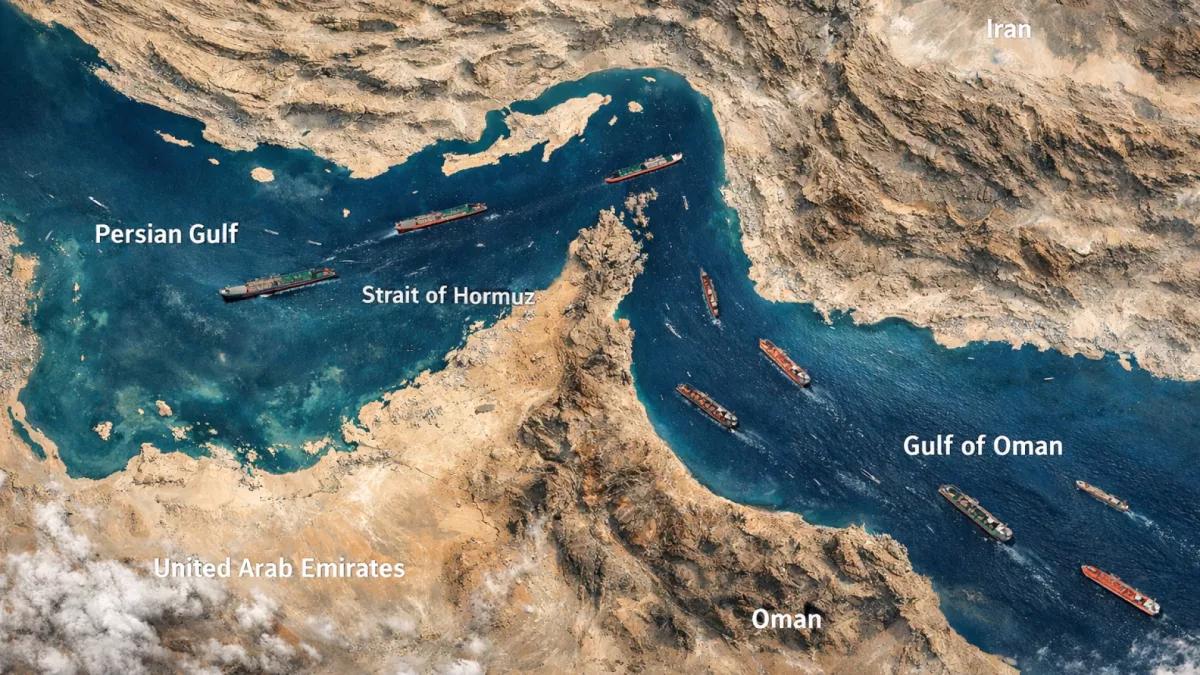
Hostilities between the United States and Iran escalated after Iran launched missile strikes targeting US military radar installations in Bahrain. In response, US strike aircraft bombed an Iranian missile launch facility on Qeshm Island. Defences in Bahrain intercepted the incoming projectile without casualties or structural damage.
The geographic concentration of combat near the Strait of Hormuz—the arterial choke point through which approximately 20% of global petroleum and liquefied natural gas (LNG) transits—presents severe tail risks for international energy pricing, marine insurance premiums, and LNG shipping availability.
Transmission to India: As an economy importing over 85% of its crude oil requirements, prolonged disruptions directly widen India's current account deficit, fuel domestic inflation, pressure the rupee, and inflate input costs across paints, aviation, tyres, and specialty chemicals. Analysts should monitor actual tanker tracking data and war-risk insurance premiums rather than military rhetoric.
6. US introduces further restrictions on China's access to advanced AI chips
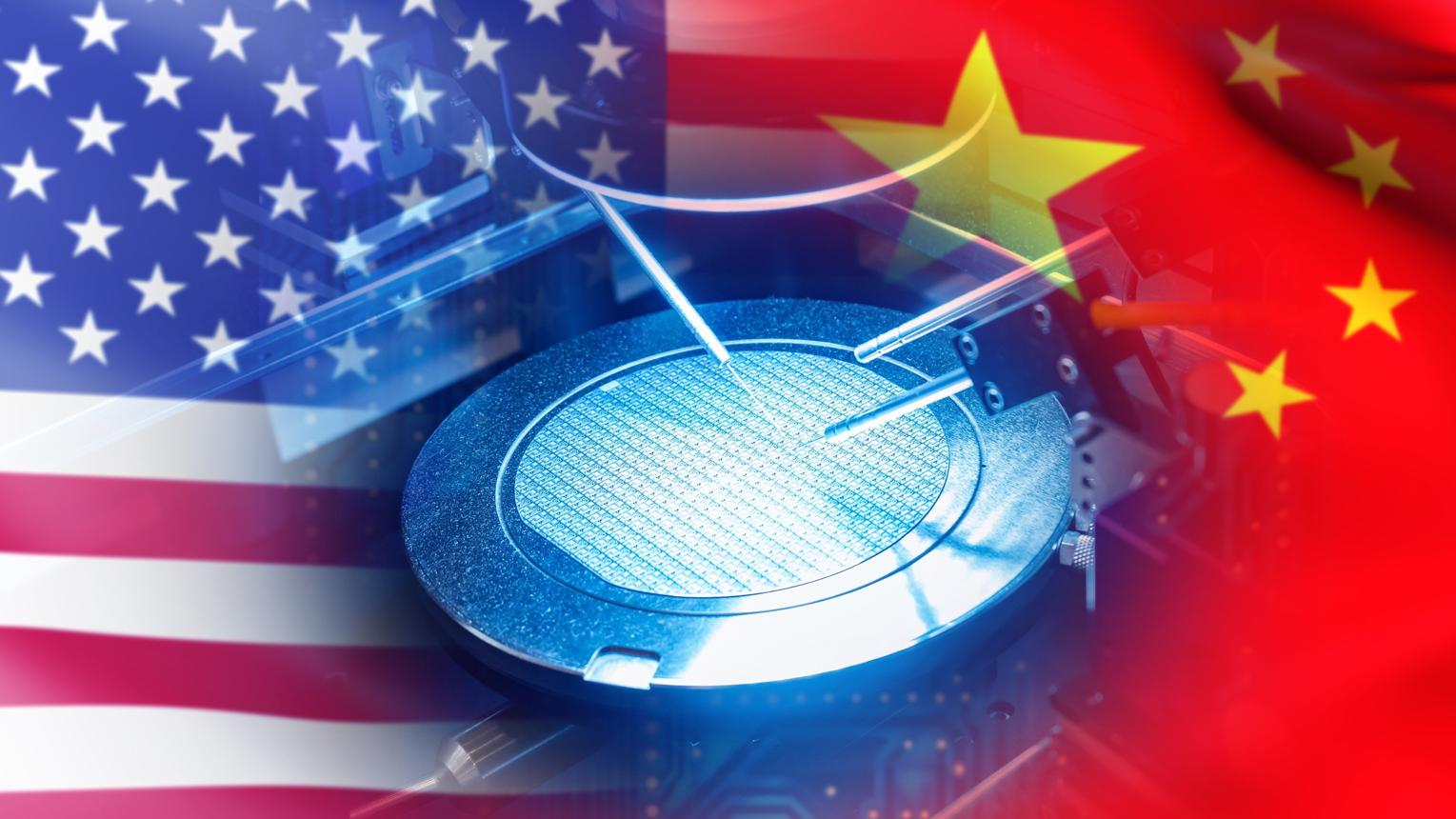
The United States government announced expanded export-control measures designed to prevent Chinese corporations from remotely accessing advanced American artificial intelligence semiconductors via third-party offshore data centres.
The framework mandates specific export licences for semiconductor shipments to data-centre operators across Singapore, Thailand, Malaysia, Indonesia, and Brazil, effective November 19. China's Ministry of Commerce lodged formal objections, warning of targeted retaliatory countermeasures.
Strategic implications for India: The geographic broadening of tech controls impacts GPU makers, equipment vendors, and cloud infrastructure providers. While India could capture manufacturing diversification as global tech supply chains de-risk from China, domestic technology companies relying on imported cutting-edge chips face procurement scrutiny and potential cost premiums.
7. India's ASEAN summit produces new cooperation initiatives
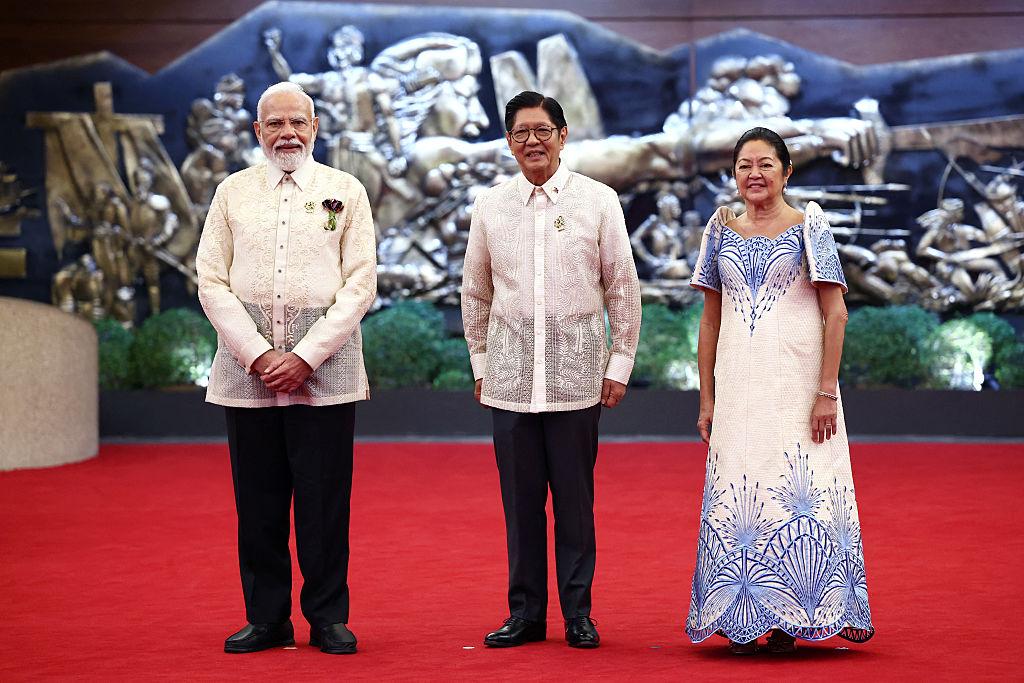
Prime Minister Narendra Modi concluded his official participation in the 23rd India-ASEAN Summit and the 21st East Asia Summit in Manila, with the Indian government formally outlining multi-sectoral cooperation agreements on November 17.
Core strategic initiatives include formalized long-term ASEAN-India maritime cooperation, technical exchanges in critical minerals and mining, civilian nuclear energy dialogues, cyber-forensics training, regional startup collaboration, and the rollout of free e-visas for ASEAN tourists visiting India.
Long-term investment angle: The bilateral focus on critical minerals is vital for battery manufacturing, electric vehicles, and renewable-energy supply chains. Strengthening maritime corridors provides essential security for East Asian trade flows, though investors should evaluate implementation velocity rather than headline diplomatic announcements.
8. US import prices rise more than expected, increasing inflation concerns
United States import prices increased 1.1% in October, exceeding consensus economic expectations of a 0.7% rise and matching a 1.1% gain in September. Excluding fuel and food, core import prices advanced 0.9%, led by strong price increases in capital goods and industrial machinery.
The sticky import price trajectory complicates Federal Reserve monetary easing. With the federal funds target range standing at 3.75%–4.00%, market participants are pricing higher odds of another 25-basis-point rate increase at the December FOMC meeting. The official minutes of the October FOMC session are scheduled for release on Wednesday, November 18 at 2:00 PM ET (12:30 AM IST, November 19).
Why India should care: Persistent US price pressures and hawkish Federal Reserve positioning strengthen the US dollar, raise global borrowing costs, and pressure emerging-market equity valuation multiples. Analysts must incorporate US sovereign yield movements when valuing long-duration Indian growth and IT stocks.
9. Senco Gold reports record festive sales

Organised jewellery retailer Senco Gold reported its highest-ever festive performance, generating over ₹2,426 crore in retail net sales across the 41-day Dhanteras and Diwali festive shopping window, representing a 26% year-on-year increase.
The company posted 17% growth in same-store sales (SSSG), while diamond jewellery sales expanded 26% in value and 18% in volume. Shares of Senco Gold surged over 8% during Tuesday's cash trading before giving up part of their intraday gains.
Research angle: Jewellery businesses exhibit a non-linear relationship with gold prices: higher bullion values inflate top-line realization but test consumer volume elasticity. Robust same-store sales (+17%) confirm organic footfall momentum beyond new store additions. Analysts must evaluate upcoming gross margin trends, inventory holding gains, and working capital debt.
10. Fractal Analytics explores acquisitions to strengthen AI capabilities

Enterprise artificial intelligence and analytics specialist Fractal Analytics is in exploratory discussions with 20 to 25 AI startups regarding potential acquisitions, deploying an estimated ₹1,000 crore corporate acquisition war chest.
The firm is targeting transactions between $50 million and $100 million per deal, focusing on healthcare AI, agentic artificial intelligence, AI engineering, and enterprise model deployment. The strategic goal is acquiring specialised engineering talent and deepening partnerships with premier cloud platforms and AI research labs ahead of its anticipated public listing.
Research angle: Inorganic expansion allows tech firms to shortcut engineering cycles, but carries substantial goodwill accumulation and post-merger integration risks. Analysts must assess purchase price multiples against annual recurring revenue (ARR), client retention rates, key talent lock-ins, and return on invested capital (ROIC).
What to watch on Wednesday, 18 November 2026
Seven primary domestic and international catalysts will define market sentiment and capital allocation in Wednesday's session:
| Catalyst | Market Transmission & Analytical Focus |
|---|---|
| 1. Nvidia Results & Indian IT | Nvidia reported $115.8B in Q3 revenue (+103%) and guided Q4 to ~$130B. Monitor whether Nifty IT and domestic data-centre infrastructure counters stage a relief rally or maintain divergent valuations. |
| 2. Indian Cash Market Opening (9:15 AM) | Track pre-open indications, GIFT Nifty direction, and opening sector leadership across banking, IT, realty, and OMCs. Assess whether Bank Nifty sustains its rally past 62,273. |
| 3. SEBI MTF Leverage Proposals | Follow regulatory developments regarding 5%–10% free-float caps on Margin Trading Facility exposure, evaluating potential de-leveraging in small/mid caps and revenue impact on discount brokerages. |
| 4. US-Iran & Strait of Hormuz Risks | Monitor Persian Gulf maritime updates and Brent crude pricing (~$93/bbl). A sustained supply disruption remains India's most critical external macroeconomic risk. |
| 5. FOMC Meeting Minutes (12:30 AM IST) | Release of the October FOMC minutes at 2:00 PM ET will offer clarity on Federal Reserve debate surrounding sticky import prices (+1.1%) and the likelihood of a December rate increase. |
| 6. India-ASEAN Strategic Initiatives | Follow commercial implementation of critical mineral supply chains, maritime logistics security, and regional technology collaborations announced in Manila. |
| 7. Crystal Crop Protection IPO | Subscription opens November 18–20 (issue size ₹455.49 crore, price band ₹259–₹272 per share, lot size 55 shares). Focus on working capital cycles and agrochemical balance sheets. |
Analyst Priority Ranking for 18 November: 1. Nvidia Q3 reception in Indian IT • 2. Bank Nifty follow-through past 62,270 • 3. SEBI MTF leverage details • 4. Crude oil response to Hormuz tensions • 5. FOMC minutes release.
Finance and Equity Research — Practical Career Takeaway
Rather than relying on unverified job boards, today's market developments provide valuable corporate case studies for building an institutional equity research portfolio:
Core Modeling Domains from Today's Market Events:
- Banking & Financial Services: Analyze HDFC Bank (+17.9% in Nov) and ICICI Bank (+13.4%). Build models isolating Net Interest Margins (NIM), CASA ratios, credit costs, return on assets (ROA), and return on equity (ROE) to evaluate whether November foreign buying matches loan-book quality.
- AI & Technology Infrastructure: Use Nvidia's Q3 results ($115.8B revenue, 74.8% gross margin) to model hyperscaler capex cycles and forecast spillover revenue across Indian IT services and data-centre cooling/power infrastructure providers.
- Brokerage & Capital Market Intermediaries: Dissect the business models of Angel One, Groww, and BSE under potential SEBI MTF caps. Model the sensitivity of interest income, funded-client margins, and return on equity to a 5%–10% free-float leverage restriction.
Professional Integrity Principle: Job listings should always be verified directly against an employer's official careers portal before treating them as active vacancies. Authentic research competency is built by dissecting filings, normalizing operating cash flows, and stress-testing regulatory risks.
Final Assessment — Domestic Liquidity vs. External Macro Risks
The institutional perspective heading into Wednesday's trading session is defined by three overarching takeaways:
- 1. Domestic earnings and institutional flows are strongly supportive: A historic $9.53 billion foreign inflow wave and resilient banking earnings have carried benchmarks to nine-month highs. However, small-cap underperformance (−0.22%) confirms that the rally is not uniformly broad-based.
- 2. Global technology capex and monetary policy remain key variables: While Nvidia delivered exceptionally strong numbers ($115.8B), US-China chip curbs and persistent US import inflation (+1.1%) keep interest rate risks elevated.
- 3. The Persian Gulf conflict represents India's foremost external risk: Escalation around the Strait of Hormuz could rapidly reverse crude oil's recent decline, creating headwinds for the rupee, inflation, and corporate margins.
For equity researchers, today's developments reinforce that macroeconomic news, corporate balance sheets, and market valuations are inextricably linked.
| 25,387 | 62,273 | $115.8B | ₹1.53L cr | ₹93.566 |
|---|---|---|---|---|
| Nifty 50 Close | Bank Nifty Close | Nvidia Q3 Revenue | MTF Leverage Book | USD / INR Spot |
These five metrics summarize the delicate balance between record domestic liquidity and external geopolitical risks as Wednesday's trading begins.
Institutional Disclosure: All market figures are historical observations for the stated dates, not live trading quotes. This market briefing is published solely for educational, informational, and research purposes. It does not constitute investment advice.